
Service · Business Process Automation
Business process automation with AI.
We identify the repetitive workflows that cost you time, margin and errors, automate the right steps (not all of them) and measure the improvement in time, cost, errors and operational capacity.
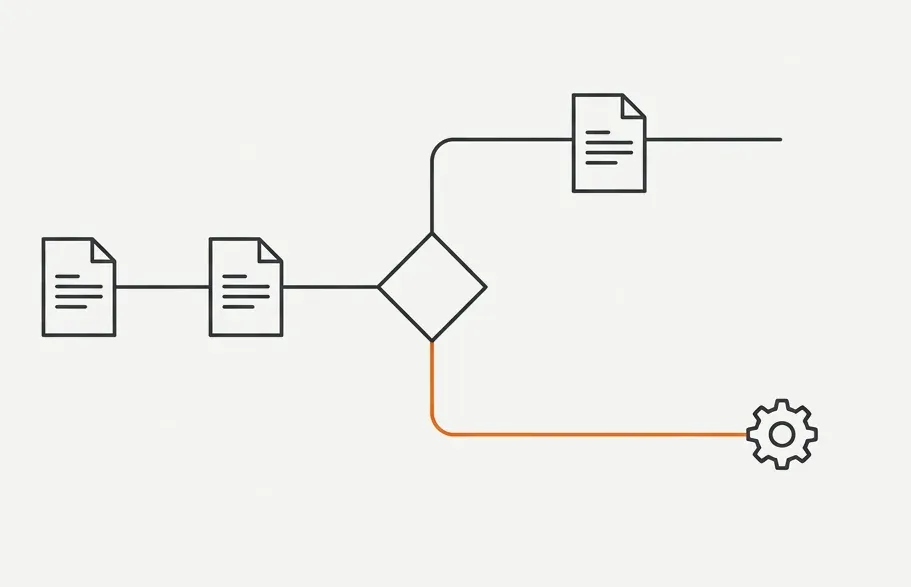
Where it fits
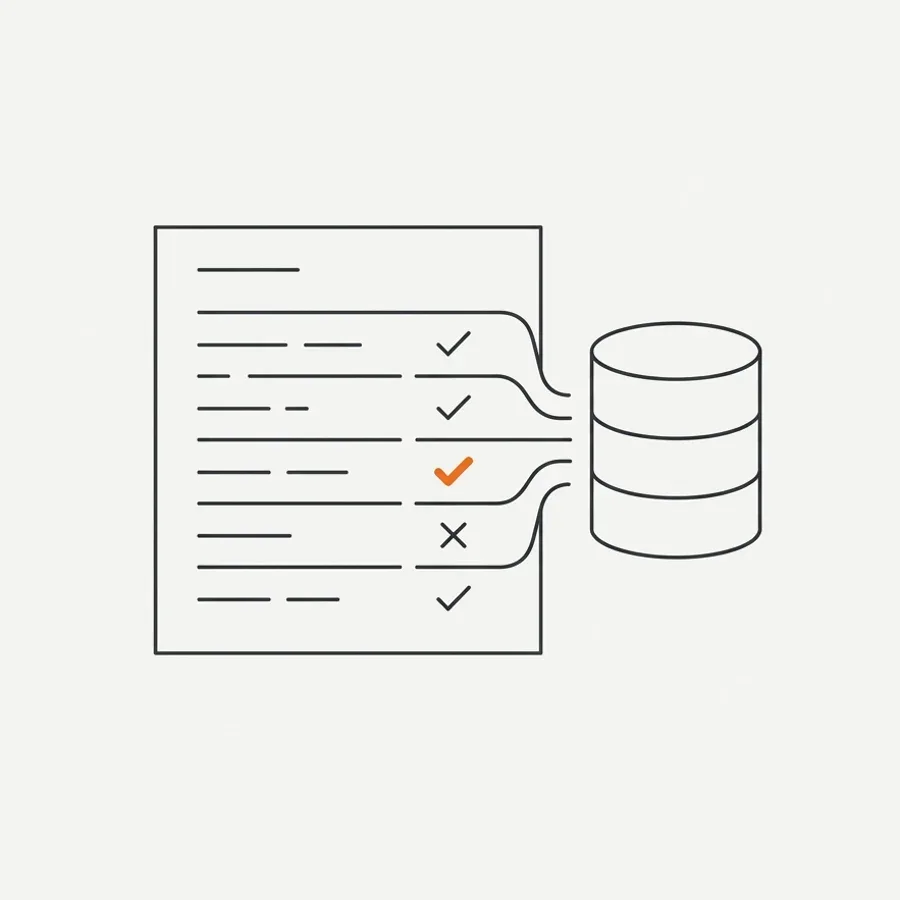
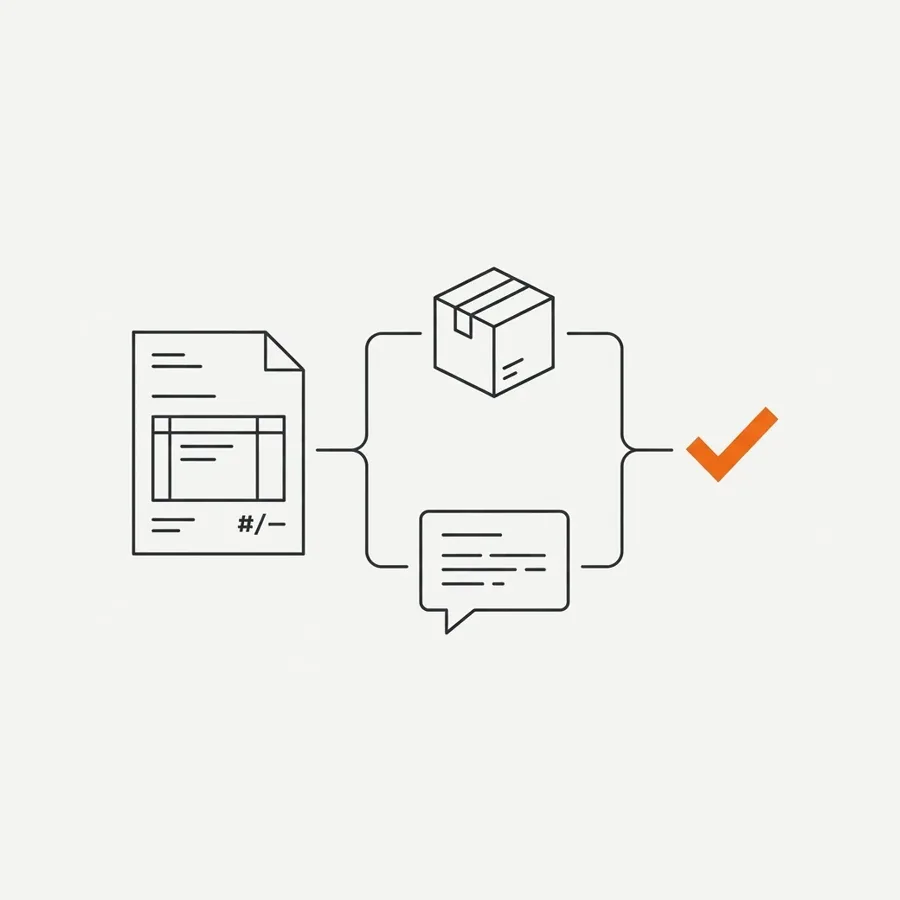
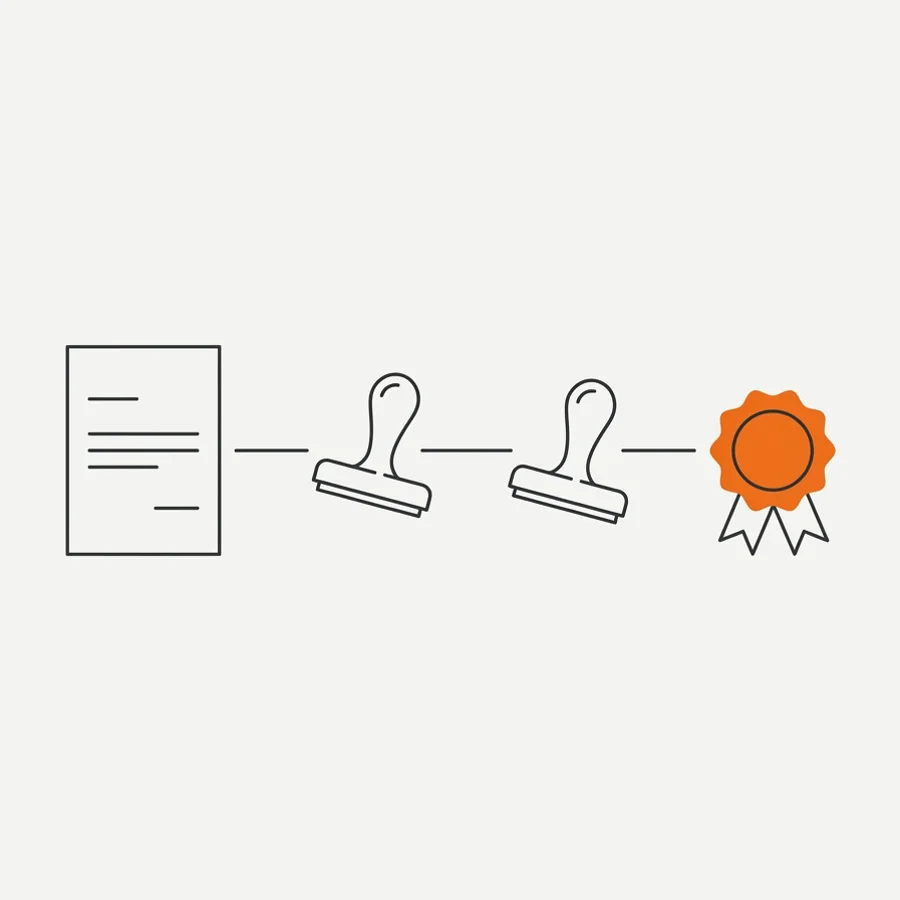
Processes usually worth automating.
How it works
From the current workflow to a measured improvement.
-
01 / 06
Current workflow map
We document how the process works today: steps, people, systems and information.
-
02 / 06
Bottlenecks
Where waits, errors and repetition pile up, and what they cost.
-
03 / 06
Automation suitability
Not everything should be automated: we assess which steps qualify, which do not, and why.
-
04 / 06
Future workflow
We design the recommended process and the technology requirements to get there.
-
05 / 06
Business case
Expected savings in time, cost and errors against the implementation cost.
-
06 / 06
Implementation and measurement
A roadmap, integration into the real workflow and improvements measured against the baseline.
What you get
Less manual work, measured and demonstrable.
- 01
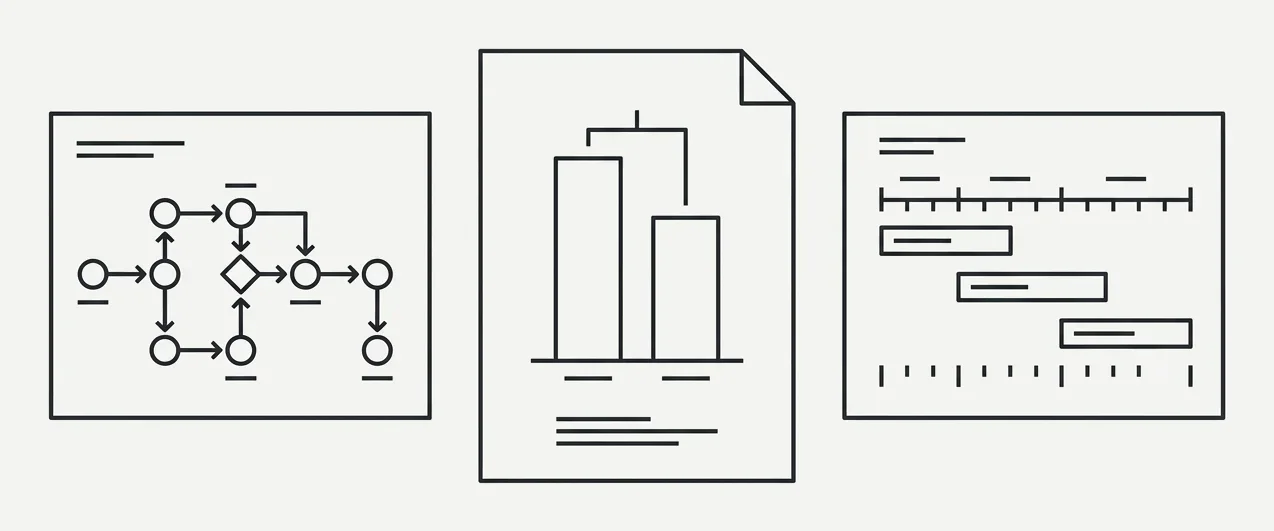
Process map and analysis
The current workflow documented, with bottlenecks and errors quantified.
- 02
The automation business case
What to automate, what not to, and the expected return with evidence.
- 03
Implementation roadmap
The path to the future workflow, integrated with your systems and measured against the baseline.
Case · Arbegui
From 2 hours to minutes per permit.
Special transport permit processing was manual, slow and repetitive. Automated with AI: fewer errors and better communication between teams.
See the cases →Frequently asked questions
Which processes are good candidates?
Repetitive, document-heavy processes with clear rules: permits, data validation, reporting. If it relies heavily on human judgment, we automate parts, not the whole.
Do you automate with AI or traditional software?
With whatever solves the problem best. Sometimes AI; sometimes integration or process redesign. We do not start from a technology.
How is the improvement measured?
Against the current process baseline: time per operation, error rate, cost and freed-up capacity.
What about the team doing that work today?
They gain time for higher-value work. We automate the repetitive so people can decide, review and improve.