
Service · Scouting
Startup and technology scouting for corporate challenges.
We define the challenge, search startups, established providers and cross-industry solutions, evaluate technical and strategic fit, and build a defensible shortlist connected to business value.
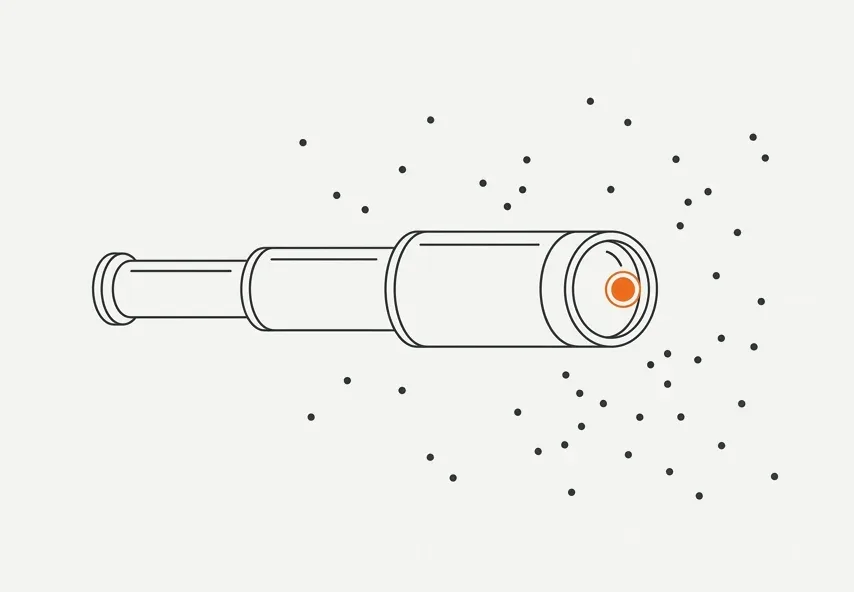
How it works
From the challenge to a defensible shortlist.
-
01 / 07
Challenge definition
A well-framed challenge is half the scouting: what problem, what constraints, what success looks like.
-
02 / 07
Evaluation criteria
We agree on the criteria before searching, so the shortlist is defensible.
-
03 / 07
Search
Startups, established providers and solutions from other industries.
-
04 / 07
Fit evaluation
Technical and strategic fit, every candidate against the same criteria.
-
05 / 07
Defensible shortlist
The finalists, with the why behind every candidate and every discard, traceable to sources.
-
06 / 07
Meetings and pilots
We support the conversations and the pilot design with the finalists.
-
07 / 07
Connected to the business case
The selection connects to business value: cost, impact and evidence.
What you get
A shortlist that withstands questions.
- 01
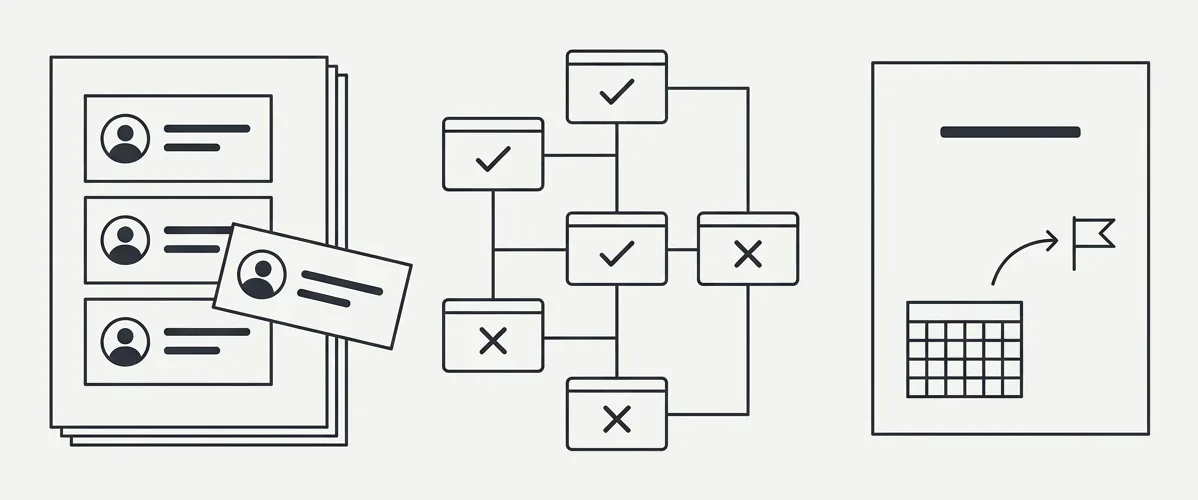
A qualified shortlist
Few finalists, well chosen, with the evidence of why them.
- 02
Full traceability
Every candidate and every discard, with its reasoning and its sources.
- 03
A path to the pilot
Support in meetings, pilot design and connection to the business case.
Case · Global mining equipment manufacturer
We reframed the challenge: no one should need to be in there.
1,063 patents analyzed, 600 evaluations and 18 alternatives to reach 3 finalists aligned with the real operational challenge.
See the cases →Frequently asked questions
Startup scouting or technology scouting?
Both. We look for the best solution to the challenge: startups, established providers or technology from other industries.
What about open innovation?
It is part of the method: corporate challenges, startup collaboration and consistent evaluation. We have applied it for over a decade.
How many alternatives do you evaluate?
As many as the challenge requires: in a recent case, 18 alternatives evaluated and 3 finalists, with 1,063 patents analyzed.
What if the challenge is poorly framed?
We catch it at the start and reframe it with you: a pilot on a poorly framed challenge is the most expensive way to learn.